
Warm Evening Drinks That Help You Unwind
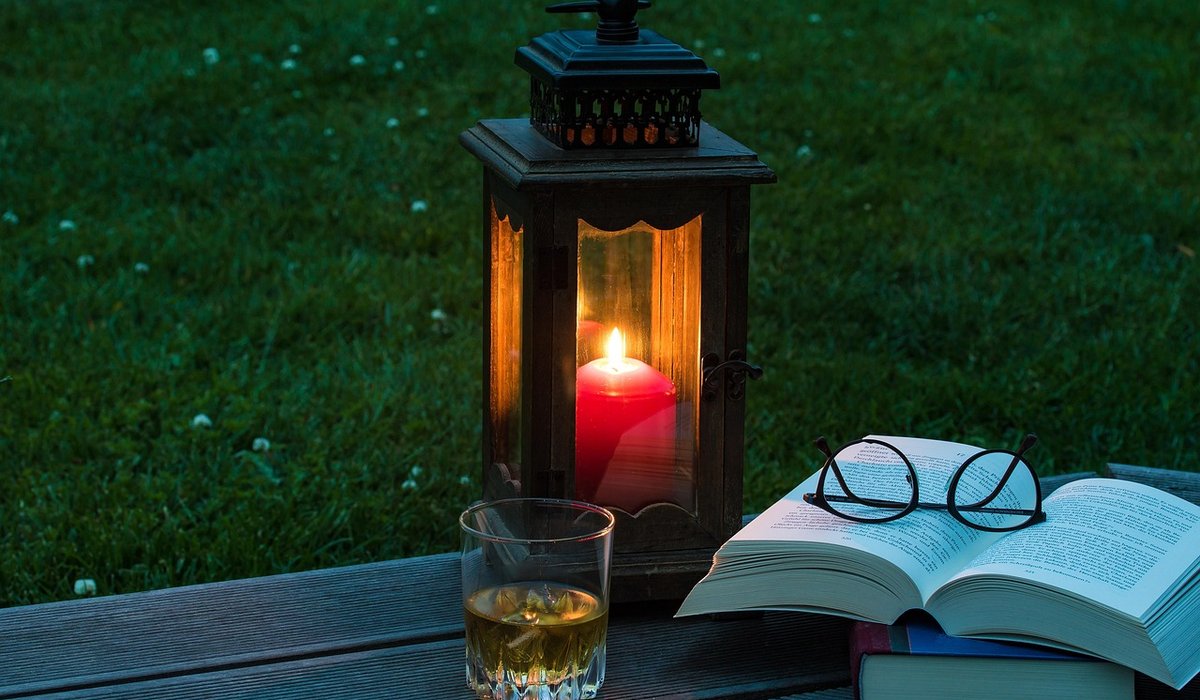
Start With the Corner You Already Have
Most small flats have one corner that does very little: the awkward gap beside a chimney breast, the strip of floor between a window and a wardrobe, the dead space at the end of a hallway. Rather than waiting for a spare room you will never have, treat that corner as a room within a room. You need roughly a metre square — enough for a chair, a small table and somewhere to rest your feet.
Before you buy anything, sit on the floor in that spot at the time you would actually use it, which for most of us is after eight in the evening. Notice where the light falls, whether cold air creeps in from the window, whether you can hear the fridge humming or next door's television through the wall. Ten minutes of honest observation will tell you more than an hour of scrolling through interiors photographs.
The best corners tend to have a wall on two sides, which gives a natural sense of shelter, and a little distance from the main traffic route through the flat. You want to be able to see the room without being in the middle of it.
Choose a Chair You Can Genuinely Sink Into
The chair is the anchor of the whole nook, so it is worth taking your time. A deep sofa will swallow a small corner and leave no room to move; a slim dining chair will leave you fidgeting within ten minutes. Look for something with a high back, a slight recline and arms at a height that lets you rest a book or a mug.
- Seat height: around 42–45cm suits most adults. Lower than that and getting up becomes an effort rather than a pleasure.
- Depth: measure from the front of the seat to the back. If your knees are floating, add a cushion behind you rather than buying a bigger chair.
- Footprint: check the diagonal measurement of your doorway and lift before buying anything second-hand. Many a beautiful armchair has been abandoned in a stairwell.
- Swivel bases: a quiet luxury in a tight space, letting you turn towards the lamp or away from the television without shifting furniture.
Older upholstered chairs are often better made than new ones at the same price, and a washable loose cover will deal with any tired fabric.
Light in Layers, Never From Above
Ceiling lights flatten a room and tell your body it is still the middle of the day. For an evening corner, aim for two or three small pools of light at different heights. A floor lamp positioned just behind and to the side of the chair casts light over your shoulder onto the page rather than into your eyes. A compact table lamp beside you adds a second, softer glow.
When choosing bulbs, look for warm white — around 2700K — and something in the region of 400 to 600 lumens for reading. Cool white bulbs, the kind that make a room feel like an office, undo all your good work. A dimmable bulb or a lamp with a touch dimmer lets you drop the light as the evening deepens. Fabric or pleated shades soften the glare; bare bulbs at eye level are the enemy of a relaxing nook.
If you can, switch off the overhead light entirely once you settle in. The contrast is what makes the corner feel like somewhere separate.
Build Warmth With Texture
Softness is what turns a corner into a place you want to stay in. This is the cheapest part of the project and often the most effective.
- A throw in lambswool, brushed cotton or a chunky knit, folded over the back of the chair so it is within reach rather than folded away in a cupboard.
- Two cushions, not five. One firm one for your lower back, one squashy one to hold. Too many and you will spend your reading time rearranging them.
- A small rug, even 60 by 90cm, to define the nook and take the chill off a wooden floor.
- Something for your feet. A footstool, a pouffe with hidden storage, or a sturdy basket turned upside down with a folded blanket on top.
Stick to two or three colours and let the textures do the work. Wool, linen, wood and ceramic sit together comfortably; too many patterns and a small space starts to feel busy rather than calm.
The Small Details That Make It Yours
A side table the size of a dinner plate is plenty. It needs to hold a mug, a book and perhaps a small candle, and nothing else. Scent matters more than you might think: a beeswax candle, a reed diffuser, or a few drops of lavender on a cotton pad tucked behind the lamp all quietly signal that the working day is finished.
Sound counts too. If traffic or neighbours intrude, a pair of soft wireless speakers playing something low and instrumental, or simply a window cracked open for a few minutes of evening air, can change the character of the space entirely.
Finally, keep it reasonably tidy. A nook that slowly fills with post, chargers and stray laundry stops being restful. A small basket under the table for the bits and pieces, emptied once a week, is usually enough.
Protect the Habit
A reading corner only earns its keep if you actually sit in it. Choose a time and treat it as a fixture: half an hour after the washing up, or the twenty minutes before you start getting ready for bed. Leave your phone in another room, or at least face down and out of reach, and take a book you are genuinely looking forward to rather than one you feel you ought to read.
Slow living is not a purchase or a style; it is a decision to stop for a while in a place that has been made comfortable on purpose. Twenty minutes with a warm lamp, a soft throw and something good to read will do more for your evening than an hour of scrolling ever will. And if you miss a night, no matter — the corner will still be there tomorrow.
LEAVE A COMMENT